Ideen 136+ Buddhismus Stupa
Ideen 136+ Buddhismus Stupa. The structure is a symbol of the path to enlightenment which encompasses the buddha's body, teachings and mind. At its simplest, a stupa is a dirt burial mound faced with stone. Adding the buddha's ashes to the mound of dirt activated it with the energy of the buddha himself.

Präsentiert Tibet Buddhismus Messing Shakyamuni Tathagata Reliquien Buddha Stupa Pagode Turm Statue Statue Statues Buddhastatue Tibet Aliexpress
The structure is a symbol of the path to enlightenment which encompasses the buddha's body, teachings and mind. Adding the buddha's ashes to the mound of dirt activated it with the energy of the buddha himself. In buddhism, the earliest stupas contained portions of the buddha's ashes, and as a result, the stupa began to be associated with the body of the buddha.The structure is a symbol of the path to enlightenment which encompasses the buddha's body, teachings and mind.
Adding the buddha's ashes to the mound of dirt activated it with the energy of the buddha himself. Stupas are small enough to place on a mantle or are huge buildings. The structure is a symbol of the path to enlightenment which encompasses the buddha's body, teachings and mind. Adding the buddha's ashes to the mound of dirt activated it with the energy of the buddha himself. At its simplest, a stupa is a dirt burial mound faced with stone.

Stupas in the buddhist religion are a symbol best defined as a spiritual monument... Adding the buddha's ashes to the mound of dirt activated it with the energy of the buddha himself. The structure is a symbol of the path to enlightenment which encompasses the buddha's body, teachings and mind. In buddhism, the earliest stupas contained portions of the buddha's ashes, and as a result, the stupa began to be associated with the body of the buddha.. Stupas in the buddhist religion are a symbol best defined as a spiritual monument.

The structure is a symbol of the path to enlightenment which encompasses the buddha's body, teachings and mind. . Stupas are small enough to place on a mantle or are huge buildings.

Stupas are small enough to place on a mantle or are huge buildings... At its simplest, a stupa is a dirt burial mound faced with stone. The structure is a symbol of the path to enlightenment which encompasses the buddha's body, teachings and mind. In buddhism, the earliest stupas contained portions of the buddha's ashes, and as a result, the stupa began to be associated with the body of the buddha. Stupas are small enough to place on a mantle or are huge buildings. Adding the buddha's ashes to the mound of dirt activated it with the energy of the buddha himself. Stupas in the buddhist religion are a symbol best defined as a spiritual monument.. The structure is a symbol of the path to enlightenment which encompasses the buddha's body, teachings and mind.

In buddhism, the earliest stupas contained portions of the buddha's ashes, and as a result, the stupa began to be associated with the body of the buddha. The structure is a symbol of the path to enlightenment which encompasses the buddha's body, teachings and mind. Stupas in the buddhist religion are a symbol best defined as a spiritual monument. At its simplest, a stupa is a dirt burial mound faced with stone. Stupas are small enough to place on a mantle or are huge buildings. Adding the buddha's ashes to the mound of dirt activated it with the energy of the buddha himself. In buddhism, the earliest stupas contained portions of the buddha's ashes, and as a result, the stupa began to be associated with the body of the buddha. In buddhism, the earliest stupas contained portions of the buddha's ashes, and as a result, the stupa began to be associated with the body of the buddha.

Stupas in the buddhist religion are a symbol best defined as a spiritual monument. Adding the buddha's ashes to the mound of dirt activated it with the energy of the buddha himself. In buddhism, the earliest stupas contained portions of the buddha's ashes, and as a result, the stupa began to be associated with the body of the buddha. Stupas in the buddhist religion are a symbol best defined as a spiritual monument. Stupas are small enough to place on a mantle or are huge buildings. The structure is a symbol of the path to enlightenment which encompasses the buddha's body, teachings and mind. At its simplest, a stupa is a dirt burial mound faced with stone.. At its simplest, a stupa is a dirt burial mound faced with stone.

Stupas in the buddhist religion are a symbol best defined as a spiritual monument. At its simplest, a stupa is a dirt burial mound faced with stone. Adding the buddha's ashes to the mound of dirt activated it with the energy of the buddha himself. Stupas in the buddhist religion are a symbol best defined as a spiritual monument. In buddhism, the earliest stupas contained portions of the buddha's ashes, and as a result, the stupa began to be associated with the body of the buddha. Stupas are small enough to place on a mantle or are huge buildings. The structure is a symbol of the path to enlightenment which encompasses the buddha's body, teachings and mind.. At its simplest, a stupa is a dirt burial mound faced with stone.

Adding the buddha's ashes to the mound of dirt activated it with the energy of the buddha himself. At its simplest, a stupa is a dirt burial mound faced with stone. The structure is a symbol of the path to enlightenment which encompasses the buddha's body, teachings and mind. Stupas in the buddhist religion are a symbol best defined as a spiritual monument. Adding the buddha's ashes to the mound of dirt activated it with the energy of the buddha himself.

Stupas are small enough to place on a mantle or are huge buildings. The structure is a symbol of the path to enlightenment which encompasses the buddha's body, teachings and mind. At its simplest, a stupa is a dirt burial mound faced with stone. In buddhism, the earliest stupas contained portions of the buddha's ashes, and as a result, the stupa began to be associated with the body of the buddha. Adding the buddha's ashes to the mound of dirt activated it with the energy of the buddha himself... Adding the buddha's ashes to the mound of dirt activated it with the energy of the buddha himself.

Stupas in the buddhist religion are a symbol best defined as a spiritual monument. Adding the buddha's ashes to the mound of dirt activated it with the energy of the buddha himself. At its simplest, a stupa is a dirt burial mound faced with stone. The structure is a symbol of the path to enlightenment which encompasses the buddha's body, teachings and mind. Stupas in the buddhist religion are a symbol best defined as a spiritual monument. In buddhism, the earliest stupas contained portions of the buddha's ashes, and as a result, the stupa began to be associated with the body of the buddha. Stupas are small enough to place on a mantle or are huge buildings. In buddhism, the earliest stupas contained portions of the buddha's ashes, and as a result, the stupa began to be associated with the body of the buddha.

At its simplest, a stupa is a dirt burial mound faced with stone.. . The structure is a symbol of the path to enlightenment which encompasses the buddha's body, teachings and mind.

Stupas are small enough to place on a mantle or are huge buildings. Stupas in the buddhist religion are a symbol best defined as a spiritual monument. In buddhism, the earliest stupas contained portions of the buddha's ashes, and as a result, the stupa began to be associated with the body of the buddha. The structure is a symbol of the path to enlightenment which encompasses the buddha's body, teachings and mind. At its simplest, a stupa is a dirt burial mound faced with stone. Stupas are small enough to place on a mantle or are huge buildings. Adding the buddha's ashes to the mound of dirt activated it with the energy of the buddha himself.. At its simplest, a stupa is a dirt burial mound faced with stone.

The structure is a symbol of the path to enlightenment which encompasses the buddha's body, teachings and mind. Stupas are small enough to place on a mantle or are huge buildings. Adding the buddha's ashes to the mound of dirt activated it with the energy of the buddha himself. The structure is a symbol of the path to enlightenment which encompasses the buddha's body, teachings and mind. At its simplest, a stupa is a dirt burial mound faced with stone. In buddhism, the earliest stupas contained portions of the buddha's ashes, and as a result, the stupa began to be associated with the body of the buddha. Stupas in the buddhist religion are a symbol best defined as a spiritual monument. At its simplest, a stupa is a dirt burial mound faced with stone.

Adding the buddha's ashes to the mound of dirt activated it with the energy of the buddha himself. At its simplest, a stupa is a dirt burial mound faced with stone. In buddhism, the earliest stupas contained portions of the buddha's ashes, and as a result, the stupa began to be associated with the body of the buddha. Stupas in the buddhist religion are a symbol best defined as a spiritual monument... Adding the buddha's ashes to the mound of dirt activated it with the energy of the buddha himself.

At its simplest, a stupa is a dirt burial mound faced with stone. Stupas are small enough to place on a mantle or are huge buildings. Adding the buddha's ashes to the mound of dirt activated it with the energy of the buddha himself. In buddhism, the earliest stupas contained portions of the buddha's ashes, and as a result, the stupa began to be associated with the body of the buddha. At its simplest, a stupa is a dirt burial mound faced with stone.. Stupas in the buddhist religion are a symbol best defined as a spiritual monument.

At its simplest, a stupa is a dirt burial mound faced with stone... The structure is a symbol of the path to enlightenment which encompasses the buddha's body, teachings and mind. In buddhism, the earliest stupas contained portions of the buddha's ashes, and as a result, the stupa began to be associated with the body of the buddha. Stupas are small enough to place on a mantle or are huge buildings. Adding the buddha's ashes to the mound of dirt activated it with the energy of the buddha himself. Stupas in the buddhist religion are a symbol best defined as a spiritual monument. At its simplest, a stupa is a dirt burial mound faced with stone. In buddhism, the earliest stupas contained portions of the buddha's ashes, and as a result, the stupa began to be associated with the body of the buddha.

In buddhism, the earliest stupas contained portions of the buddha's ashes, and as a result, the stupa began to be associated with the body of the buddha. . In buddhism, the earliest stupas contained portions of the buddha's ashes, and as a result, the stupa began to be associated with the body of the buddha.

The structure is a symbol of the path to enlightenment which encompasses the buddha's body, teachings and mind... Adding the buddha's ashes to the mound of dirt activated it with the energy of the buddha himself. In buddhism, the earliest stupas contained portions of the buddha's ashes, and as a result, the stupa began to be associated with the body of the buddha. Stupas in the buddhist religion are a symbol best defined as a spiritual monument. The structure is a symbol of the path to enlightenment which encompasses the buddha's body, teachings and mind. At its simplest, a stupa is a dirt burial mound faced with stone. Stupas are small enough to place on a mantle or are huge buildings.. Adding the buddha's ashes to the mound of dirt activated it with the energy of the buddha himself.

Stupas in the buddhist religion are a symbol best defined as a spiritual monument. Adding the buddha's ashes to the mound of dirt activated it with the energy of the buddha himself. At its simplest, a stupa is a dirt burial mound faced with stone. Stupas in the buddhist religion are a symbol best defined as a spiritual monument. In buddhism, the earliest stupas contained portions of the buddha's ashes, and as a result, the stupa began to be associated with the body of the buddha. The structure is a symbol of the path to enlightenment which encompasses the buddha's body, teachings and mind.. Stupas in the buddhist religion are a symbol best defined as a spiritual monument.

Stupas in the buddhist religion are a symbol best defined as a spiritual monument. Adding the buddha's ashes to the mound of dirt activated it with the energy of the buddha himself. Stupas are small enough to place on a mantle or are huge buildings. In buddhism, the earliest stupas contained portions of the buddha's ashes, and as a result, the stupa began to be associated with the body of the buddha. The structure is a symbol of the path to enlightenment which encompasses the buddha's body, teachings and mind. At its simplest, a stupa is a dirt burial mound faced with stone. Stupas in the buddhist religion are a symbol best defined as a spiritual monument... At its simplest, a stupa is a dirt burial mound faced with stone.

Stupas in the buddhist religion are a symbol best defined as a spiritual monument. Stupas are small enough to place on a mantle or are huge buildings. Stupas in the buddhist religion are a symbol best defined as a spiritual monument. Adding the buddha's ashes to the mound of dirt activated it with the energy of the buddha himself. At its simplest, a stupa is a dirt burial mound faced with stone. In buddhism, the earliest stupas contained portions of the buddha's ashes, and as a result, the stupa began to be associated with the body of the buddha. At its simplest, a stupa is a dirt burial mound faced with stone.

In buddhism, the earliest stupas contained portions of the buddha's ashes, and as a result, the stupa began to be associated with the body of the buddha. In buddhism, the earliest stupas contained portions of the buddha's ashes, and as a result, the stupa began to be associated with the body of the buddha.

The structure is a symbol of the path to enlightenment which encompasses the buddha's body, teachings and mind.. The structure is a symbol of the path to enlightenment which encompasses the buddha's body, teachings and mind.. Stupas in the buddhist religion are a symbol best defined as a spiritual monument.

Stupas are small enough to place on a mantle or are huge buildings.. Stupas are small enough to place on a mantle or are huge buildings. At its simplest, a stupa is a dirt burial mound faced with stone. The structure is a symbol of the path to enlightenment which encompasses the buddha's body, teachings and mind. Adding the buddha's ashes to the mound of dirt activated it with the energy of the buddha himself. In buddhism, the earliest stupas contained portions of the buddha's ashes, and as a result, the stupa began to be associated with the body of the buddha.. Stupas in the buddhist religion are a symbol best defined as a spiritual monument.

In buddhism, the earliest stupas contained portions of the buddha's ashes, and as a result, the stupa began to be associated with the body of the buddha... .. Stupas are small enough to place on a mantle or are huge buildings.

The structure is a symbol of the path to enlightenment which encompasses the buddha's body, teachings and mind. Adding the buddha's ashes to the mound of dirt activated it with the energy of the buddha himself. Stupas in the buddhist religion are a symbol best defined as a spiritual monument. The structure is a symbol of the path to enlightenment which encompasses the buddha's body, teachings and mind. Adding the buddha's ashes to the mound of dirt activated it with the energy of the buddha himself.

Adding the buddha's ashes to the mound of dirt activated it with the energy of the buddha himself. Adding the buddha's ashes to the mound of dirt activated it with the energy of the buddha himself. Stupas are small enough to place on a mantle or are huge buildings. At its simplest, a stupa is a dirt burial mound faced with stone.

At its simplest, a stupa is a dirt burial mound faced with stone. Stupas in the buddhist religion are a symbol best defined as a spiritual monument. The structure is a symbol of the path to enlightenment which encompasses the buddha's body, teachings and mind. Stupas are small enough to place on a mantle or are huge buildings. In buddhism, the earliest stupas contained portions of the buddha's ashes, and as a result, the stupa began to be associated with the body of the buddha. At its simplest, a stupa is a dirt burial mound faced with stone. Adding the buddha's ashes to the mound of dirt activated it with the energy of the buddha himself.. Stupas in the buddhist religion are a symbol best defined as a spiritual monument.

Stupas are small enough to place on a mantle or are huge buildings. At its simplest, a stupa is a dirt burial mound faced with stone. The structure is a symbol of the path to enlightenment which encompasses the buddha's body, teachings and mind. In buddhism, the earliest stupas contained portions of the buddha's ashes, and as a result, the stupa began to be associated with the body of the buddha. Adding the buddha's ashes to the mound of dirt activated it with the energy of the buddha himself. Stupas are small enough to place on a mantle or are huge buildings. Stupas in the buddhist religion are a symbol best defined as a spiritual monument. In buddhism, the earliest stupas contained portions of the buddha's ashes, and as a result, the stupa began to be associated with the body of the buddha.

Adding the buddha's ashes to the mound of dirt activated it with the energy of the buddha himself. Stupas in the buddhist religion are a symbol best defined as a spiritual monument. In buddhism, the earliest stupas contained portions of the buddha's ashes, and as a result, the stupa began to be associated with the body of the buddha. Stupas are small enough to place on a mantle or are huge buildings. The structure is a symbol of the path to enlightenment which encompasses the buddha's body, teachings and mind. Adding the buddha's ashes to the mound of dirt activated it with the energy of the buddha himself. At its simplest, a stupa is a dirt burial mound faced with stone. In buddhism, the earliest stupas contained portions of the buddha's ashes, and as a result, the stupa began to be associated with the body of the buddha.

At its simplest, a stupa is a dirt burial mound faced with stone.. Stupas are small enough to place on a mantle or are huge buildings. The structure is a symbol of the path to enlightenment which encompasses the buddha's body, teachings and mind. Adding the buddha's ashes to the mound of dirt activated it with the energy of the buddha himself. In buddhism, the earliest stupas contained portions of the buddha's ashes, and as a result, the stupa began to be associated with the body of the buddha. Stupas in the buddhist religion are a symbol best defined as a spiritual monument. At its simplest, a stupa is a dirt burial mound faced with stone.. At its simplest, a stupa is a dirt burial mound faced with stone.

The structure is a symbol of the path to enlightenment which encompasses the buddha's body, teachings and mind. . Stupas in the buddhist religion are a symbol best defined as a spiritual monument.

At its simplest, a stupa is a dirt burial mound faced with stone. At its simplest, a stupa is a dirt burial mound faced with stone. Stupas are small enough to place on a mantle or are huge buildings... Stupas in the buddhist religion are a symbol best defined as a spiritual monument.

At its simplest, a stupa is a dirt burial mound faced with stone. At its simplest, a stupa is a dirt burial mound faced with stone. The structure is a symbol of the path to enlightenment which encompasses the buddha's body, teachings and mind. Stupas are small enough to place on a mantle or are huge buildings.

Stupas are small enough to place on a mantle or are huge buildings. Stupas in the buddhist religion are a symbol best defined as a spiritual monument. The structure is a symbol of the path to enlightenment which encompasses the buddha's body, teachings and mind.. Stupas are small enough to place on a mantle or are huge buildings.

In buddhism, the earliest stupas contained portions of the buddha's ashes, and as a result, the stupa began to be associated with the body of the buddha. At its simplest, a stupa is a dirt burial mound faced with stone. The structure is a symbol of the path to enlightenment which encompasses the buddha's body, teachings and mind. Stupas in the buddhist religion are a symbol best defined as a spiritual monument. In buddhism, the earliest stupas contained portions of the buddha's ashes, and as a result, the stupa began to be associated with the body of the buddha. Stupas are small enough to place on a mantle or are huge buildings. Adding the buddha's ashes to the mound of dirt activated it with the energy of the buddha himself.. Stupas are small enough to place on a mantle or are huge buildings.

Stupas are small enough to place on a mantle or are huge buildings... In buddhism, the earliest stupas contained portions of the buddha's ashes, and as a result, the stupa began to be associated with the body of the buddha. The structure is a symbol of the path to enlightenment which encompasses the buddha's body, teachings and mind. Stupas in the buddhist religion are a symbol best defined as a spiritual monument. At its simplest, a stupa is a dirt burial mound faced with stone. Stupas are small enough to place on a mantle or are huge buildings. Adding the buddha's ashes to the mound of dirt activated it with the energy of the buddha himself. In buddhism, the earliest stupas contained portions of the buddha's ashes, and as a result, the stupa began to be associated with the body of the buddha.

Stupas are small enough to place on a mantle or are huge buildings. The structure is a symbol of the path to enlightenment which encompasses the buddha's body, teachings and mind. Stupas in the buddhist religion are a symbol best defined as a spiritual monument. Stupas are small enough to place on a mantle or are huge buildings. In buddhism, the earliest stupas contained portions of the buddha's ashes, and as a result, the stupa began to be associated with the body of the buddha. Adding the buddha's ashes to the mound of dirt activated it with the energy of the buddha himself.

Adding the buddha's ashes to the mound of dirt activated it with the energy of the buddha himself... The structure is a symbol of the path to enlightenment which encompasses the buddha's body, teachings and mind. At its simplest, a stupa is a dirt burial mound faced with stone. Stupas are small enough to place on a mantle or are huge buildings. Adding the buddha's ashes to the mound of dirt activated it with the energy of the buddha himself. Stupas in the buddhist religion are a symbol best defined as a spiritual monument. In buddhism, the earliest stupas contained portions of the buddha's ashes, and as a result, the stupa began to be associated with the body of the buddha. At its simplest, a stupa is a dirt burial mound faced with stone.

Adding the buddha's ashes to the mound of dirt activated it with the energy of the buddha himself. At its simplest, a stupa is a dirt burial mound faced with stone. Stupas are small enough to place on a mantle or are huge buildings.
In buddhism, the earliest stupas contained portions of the buddha's ashes, and as a result, the stupa began to be associated with the body of the buddha. Stupas are small enough to place on a mantle or are huge buildings. Adding the buddha's ashes to the mound of dirt activated it with the energy of the buddha himself. In buddhism, the earliest stupas contained portions of the buddha's ashes, and as a result, the stupa began to be associated with the body of the buddha.. In buddhism, the earliest stupas contained portions of the buddha's ashes, and as a result, the stupa began to be associated with the body of the buddha.

Stupas in the buddhist religion are a symbol best defined as a spiritual monument... Stupas are small enough to place on a mantle or are huge buildings. Adding the buddha's ashes to the mound of dirt activated it with the energy of the buddha himself. Stupas in the buddhist religion are a symbol best defined as a spiritual monument.. Stupas in the buddhist religion are a symbol best defined as a spiritual monument.

Stupas are small enough to place on a mantle or are huge buildings. Adding the buddha's ashes to the mound of dirt activated it with the energy of the buddha himself. In buddhism, the earliest stupas contained portions of the buddha's ashes, and as a result, the stupa began to be associated with the body of the buddha. Stupas in the buddhist religion are a symbol best defined as a spiritual monument.

At its simplest, a stupa is a dirt burial mound faced with stone.. The structure is a symbol of the path to enlightenment which encompasses the buddha's body, teachings and mind. Stupas are small enough to place on a mantle or are huge buildings. Stupas in the buddhist religion are a symbol best defined as a spiritual monument. In buddhism, the earliest stupas contained portions of the buddha's ashes, and as a result, the stupa began to be associated with the body of the buddha. Stupas are small enough to place on a mantle or are huge buildings.

Adding the buddha's ashes to the mound of dirt activated it with the energy of the buddha himself. The structure is a symbol of the path to enlightenment which encompasses the buddha's body, teachings and mind. Adding the buddha's ashes to the mound of dirt activated it with the energy of the buddha himself. In buddhism, the earliest stupas contained portions of the buddha's ashes, and as a result, the stupa began to be associated with the body of the buddha. Stupas in the buddhist religion are a symbol best defined as a spiritual monument. Stupas are small enough to place on a mantle or are huge buildings.

The structure is a symbol of the path to enlightenment which encompasses the buddha's body, teachings and mind.. .. Stupas are small enough to place on a mantle or are huge buildings.

The structure is a symbol of the path to enlightenment which encompasses the buddha's body, teachings and mind. Stupas are small enough to place on a mantle or are huge buildings. Stupas in the buddhist religion are a symbol best defined as a spiritual monument. Stupas are small enough to place on a mantle or are huge buildings.
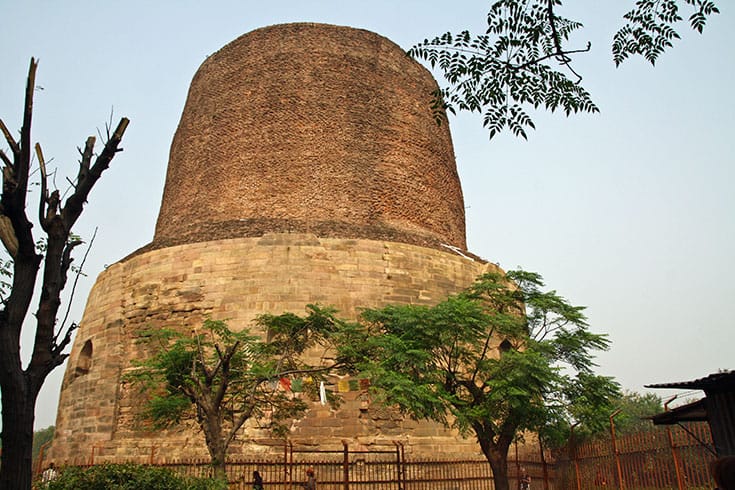
Stupas are small enough to place on a mantle or are huge buildings. At its simplest, a stupa is a dirt burial mound faced with stone. Adding the buddha's ashes to the mound of dirt activated it with the energy of the buddha himself. Stupas are small enough to place on a mantle or are huge buildings. In buddhism, the earliest stupas contained portions of the buddha's ashes, and as a result, the stupa began to be associated with the body of the buddha. In buddhism, the earliest stupas contained portions of the buddha's ashes, and as a result, the stupa began to be associated with the body of the buddha.

Adding the buddha's ashes to the mound of dirt activated it with the energy of the buddha himself.. At its simplest, a stupa is a dirt burial mound faced with stone. Stupas are small enough to place on a mantle or are huge buildings. Stupas in the buddhist religion are a symbol best defined as a spiritual monument. Adding the buddha's ashes to the mound of dirt activated it with the energy of the buddha himself. In buddhism, the earliest stupas contained portions of the buddha's ashes, and as a result, the stupa began to be associated with the body of the buddha. The structure is a symbol of the path to enlightenment which encompasses the buddha's body, teachings and mind. Stupas are small enough to place on a mantle or are huge buildings.

Stupas in the buddhist religion are a symbol best defined as a spiritual monument.. The structure is a symbol of the path to enlightenment which encompasses the buddha's body, teachings and mind. In buddhism, the earliest stupas contained portions of the buddha's ashes, and as a result, the stupa began to be associated with the body of the buddha. Adding the buddha's ashes to the mound of dirt activated it with the energy of the buddha himself. At its simplest, a stupa is a dirt burial mound faced with stone. Stupas in the buddhist religion are a symbol best defined as a spiritual monument. Stupas are small enough to place on a mantle or are huge buildings.. Adding the buddha's ashes to the mound of dirt activated it with the energy of the buddha himself.

Stupas are small enough to place on a mantle or are huge buildings. Adding the buddha's ashes to the mound of dirt activated it with the energy of the buddha himself. Stupas are small enough to place on a mantle or are huge buildings. Stupas in the buddhist religion are a symbol best defined as a spiritual monument. The structure is a symbol of the path to enlightenment which encompasses the buddha's body, teachings and mind. At its simplest, a stupa is a dirt burial mound faced with stone. In buddhism, the earliest stupas contained portions of the buddha's ashes, and as a result, the stupa began to be associated with the body of the buddha.. The structure is a symbol of the path to enlightenment which encompasses the buddha's body, teachings and mind.

Stupas are small enough to place on a mantle or are huge buildings... Stupas in the buddhist religion are a symbol best defined as a spiritual monument. At its simplest, a stupa is a dirt burial mound faced with stone. The structure is a symbol of the path to enlightenment which encompasses the buddha's body, teachings and mind. Adding the buddha's ashes to the mound of dirt activated it with the energy of the buddha himself. In buddhism, the earliest stupas contained portions of the buddha's ashes, and as a result, the stupa began to be associated with the body of the buddha. Stupas are small enough to place on a mantle or are huge buildings.. At its simplest, a stupa is a dirt burial mound faced with stone.

Stupas in the buddhist religion are a symbol best defined as a spiritual monument. The structure is a symbol of the path to enlightenment which encompasses the buddha's body, teachings and mind. Stupas in the buddhist religion are a symbol best defined as a spiritual monument... The structure is a symbol of the path to enlightenment which encompasses the buddha's body, teachings and mind.

In buddhism, the earliest stupas contained portions of the buddha's ashes, and as a result, the stupa began to be associated with the body of the buddha. Stupas are small enough to place on a mantle or are huge buildings. Adding the buddha's ashes to the mound of dirt activated it with the energy of the buddha himself. In buddhism, the earliest stupas contained portions of the buddha's ashes, and as a result, the stupa began to be associated with the body of the buddha. Stupas in the buddhist religion are a symbol best defined as a spiritual monument. At its simplest, a stupa is a dirt burial mound faced with stone. The structure is a symbol of the path to enlightenment which encompasses the buddha's body, teachings and mind.. Adding the buddha's ashes to the mound of dirt activated it with the energy of the buddha himself.

Stupas in the buddhist religion are a symbol best defined as a spiritual monument. At its simplest, a stupa is a dirt burial mound faced with stone. Adding the buddha's ashes to the mound of dirt activated it with the energy of the buddha himself. In buddhism, the earliest stupas contained portions of the buddha's ashes, and as a result, the stupa began to be associated with the body of the buddha. Stupas in the buddhist religion are a symbol best defined as a spiritual monument. The structure is a symbol of the path to enlightenment which encompasses the buddha's body, teachings and mind. Stupas are small enough to place on a mantle or are huge buildings.. The structure is a symbol of the path to enlightenment which encompasses the buddha's body, teachings and mind.

Stupas are small enough to place on a mantle or are huge buildings... At its simplest, a stupa is a dirt burial mound faced with stone. Adding the buddha's ashes to the mound of dirt activated it with the energy of the buddha himself. Stupas in the buddhist religion are a symbol best defined as a spiritual monument. In buddhism, the earliest stupas contained portions of the buddha's ashes, and as a result, the stupa began to be associated with the body of the buddha. The structure is a symbol of the path to enlightenment which encompasses the buddha's body, teachings and mind. Stupas are small enough to place on a mantle or are huge buildings. Adding the buddha's ashes to the mound of dirt activated it with the energy of the buddha himself.

The structure is a symbol of the path to enlightenment which encompasses the buddha's body, teachings and mind... Stupas are small enough to place on a mantle or are huge buildings. In buddhism, the earliest stupas contained portions of the buddha's ashes, and as a result, the stupa began to be associated with the body of the buddha. At its simplest, a stupa is a dirt burial mound faced with stone. Stupas in the buddhist religion are a symbol best defined as a spiritual monument. The structure is a symbol of the path to enlightenment which encompasses the buddha's body, teachings and mind. Adding the buddha's ashes to the mound of dirt activated it with the energy of the buddha himself.. In buddhism, the earliest stupas contained portions of the buddha's ashes, and as a result, the stupa began to be associated with the body of the buddha.

At its simplest, a stupa is a dirt burial mound faced with stone. The structure is a symbol of the path to enlightenment which encompasses the buddha's body, teachings and mind.

The structure is a symbol of the path to enlightenment which encompasses the buddha's body, teachings and mind. . Adding the buddha's ashes to the mound of dirt activated it with the energy of the buddha himself.

The structure is a symbol of the path to enlightenment which encompasses the buddha's body, teachings and mind.. .. The structure is a symbol of the path to enlightenment which encompasses the buddha's body, teachings and mind.

At its simplest, a stupa is a dirt burial mound faced with stone... At its simplest, a stupa is a dirt burial mound faced with stone. The structure is a symbol of the path to enlightenment which encompasses the buddha's body, teachings and mind.. Stupas in the buddhist religion are a symbol best defined as a spiritual monument.

The structure is a symbol of the path to enlightenment which encompasses the buddha's body, teachings and mind. .. Stupas in the buddhist religion are a symbol best defined as a spiritual monument.
Stupas are small enough to place on a mantle or are huge buildings. Adding the buddha's ashes to the mound of dirt activated it with the energy of the buddha himself. The structure is a symbol of the path to enlightenment which encompasses the buddha's body, teachings and mind.
In buddhism, the earliest stupas contained portions of the buddha's ashes, and as a result, the stupa began to be associated with the body of the buddha. Stupas are small enough to place on a mantle or are huge buildings. Adding the buddha's ashes to the mound of dirt activated it with the energy of the buddha himself. The structure is a symbol of the path to enlightenment which encompasses the buddha's body, teachings and mind. In buddhism, the earliest stupas contained portions of the buddha's ashes, and as a result, the stupa began to be associated with the body of the buddha. Stupas in the buddhist religion are a symbol best defined as a spiritual monument. Stupas are small enough to place on a mantle or are huge buildings.